
Blueberry Creative Studio
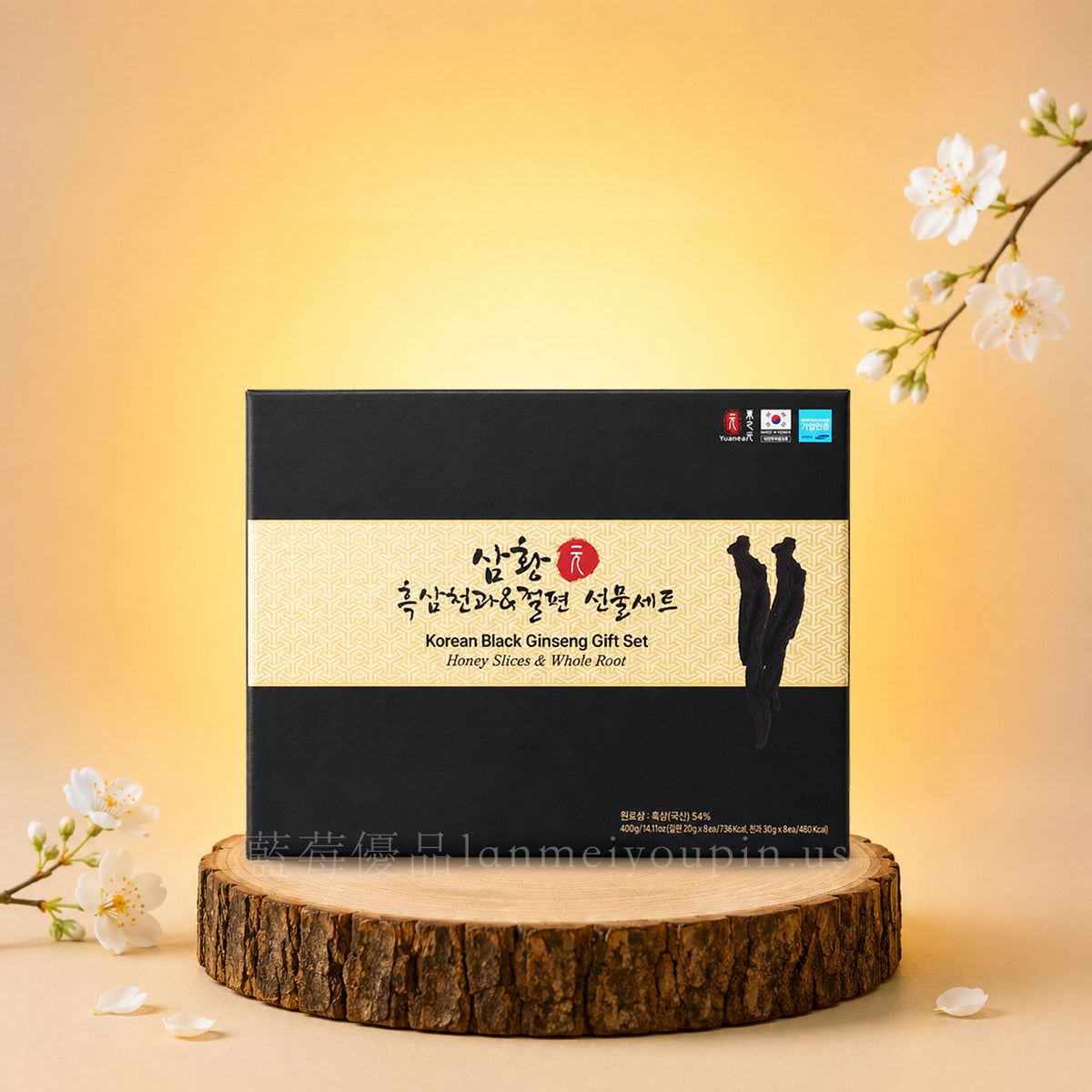
Ginseng Emperor Whole Ginseng Gift Box
Ginseng Emperor Whole Ginseng Gift Box
San Jose,CA(客服時間:週四-週五 4:00pm-7:00pm 電話:408-676-9610)
1926 O'Toole Way
San Jose CA 95131
United States
Choose options
Ginseng King Whole Ginseng Gift Box
Origin:
Geumsan, Korea, the "Ginseng Capital" with 1500 years of history and tradition! It has long been regarded as one of the important representatives of Korean ginseng quality. From cultivation, the region has a complete product grading system and traditional craftsmanship, which ensures more stable ginseng quality.
Packaging Specifications:
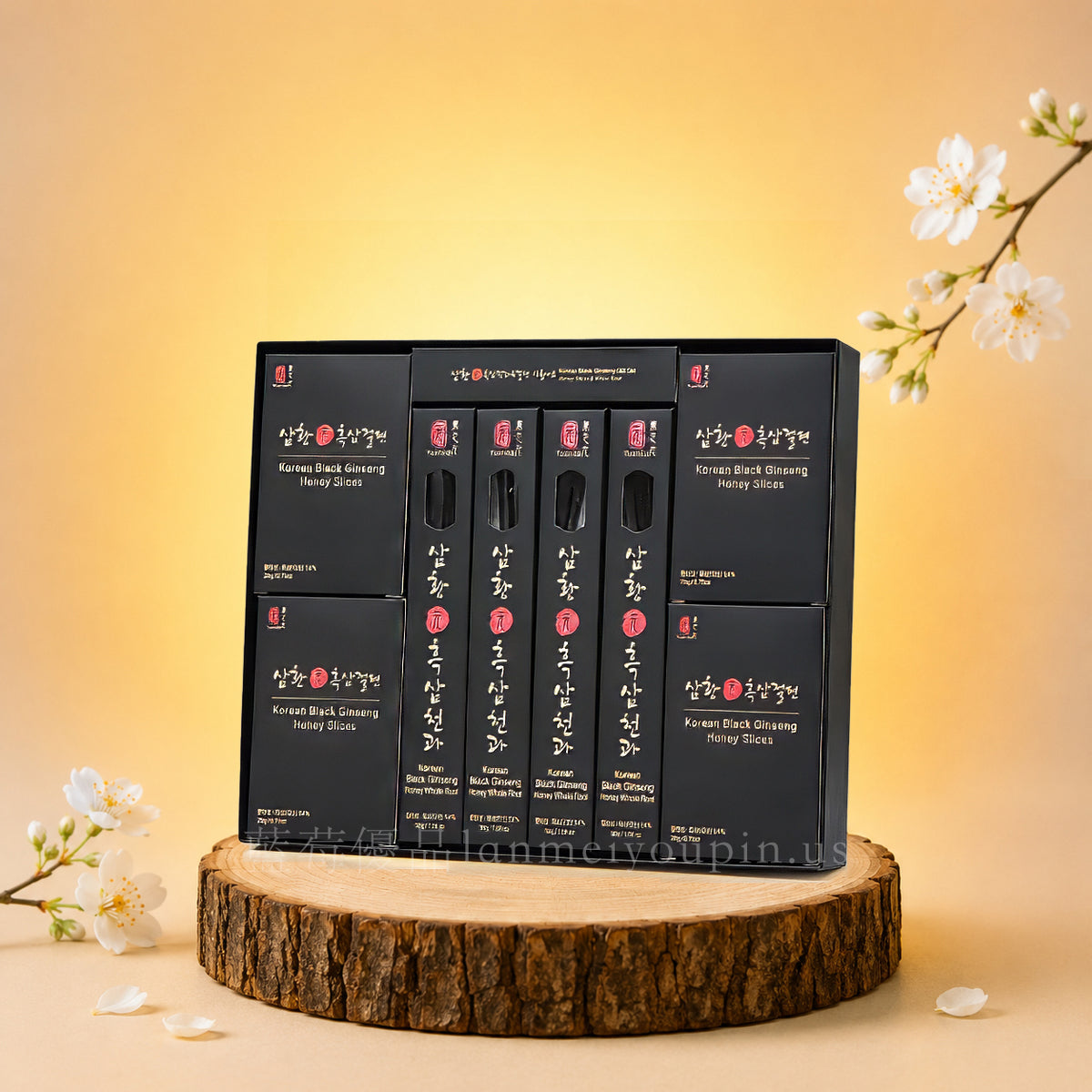
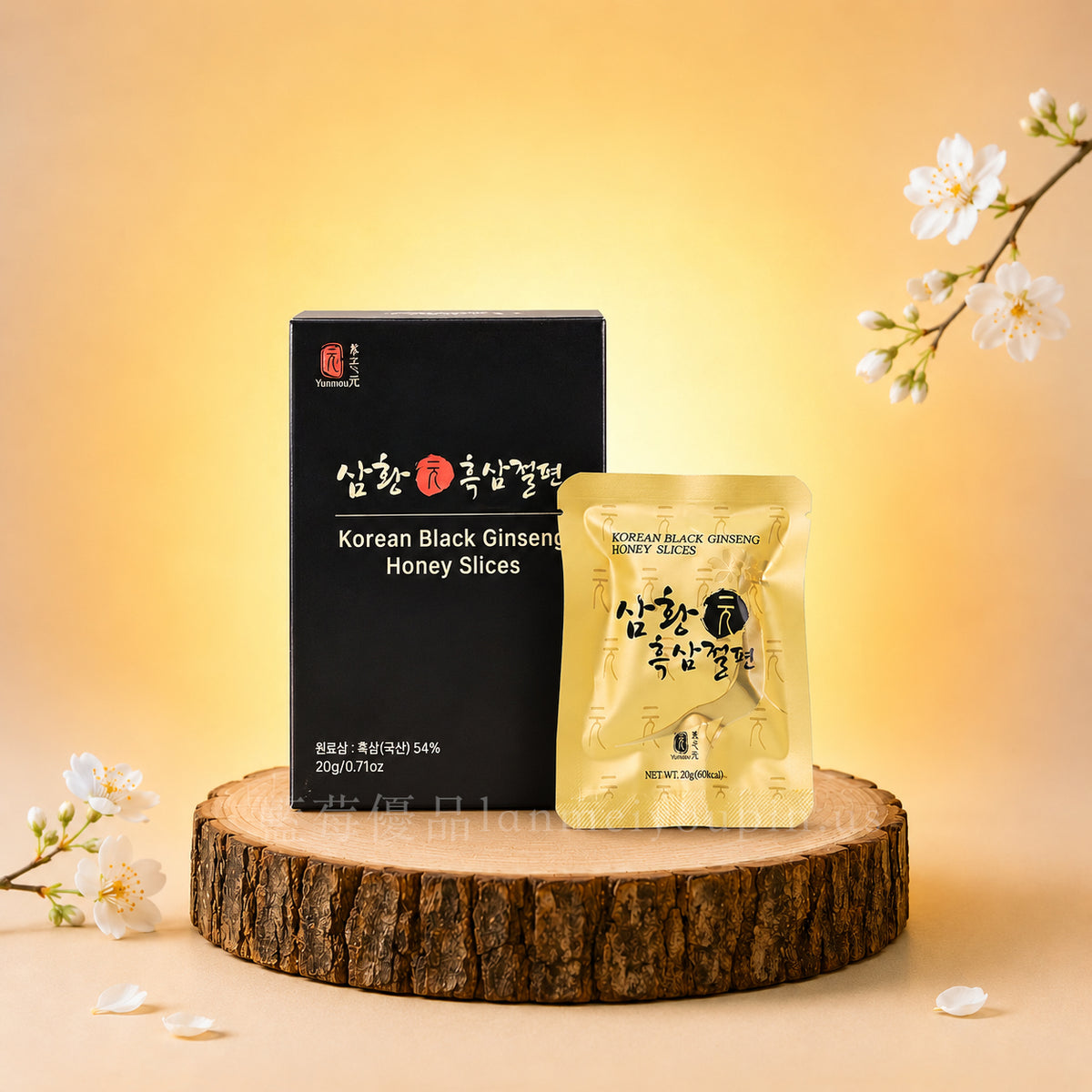
Honeyed Black Ginseng Slices: 8 small boxes × 20g / per box
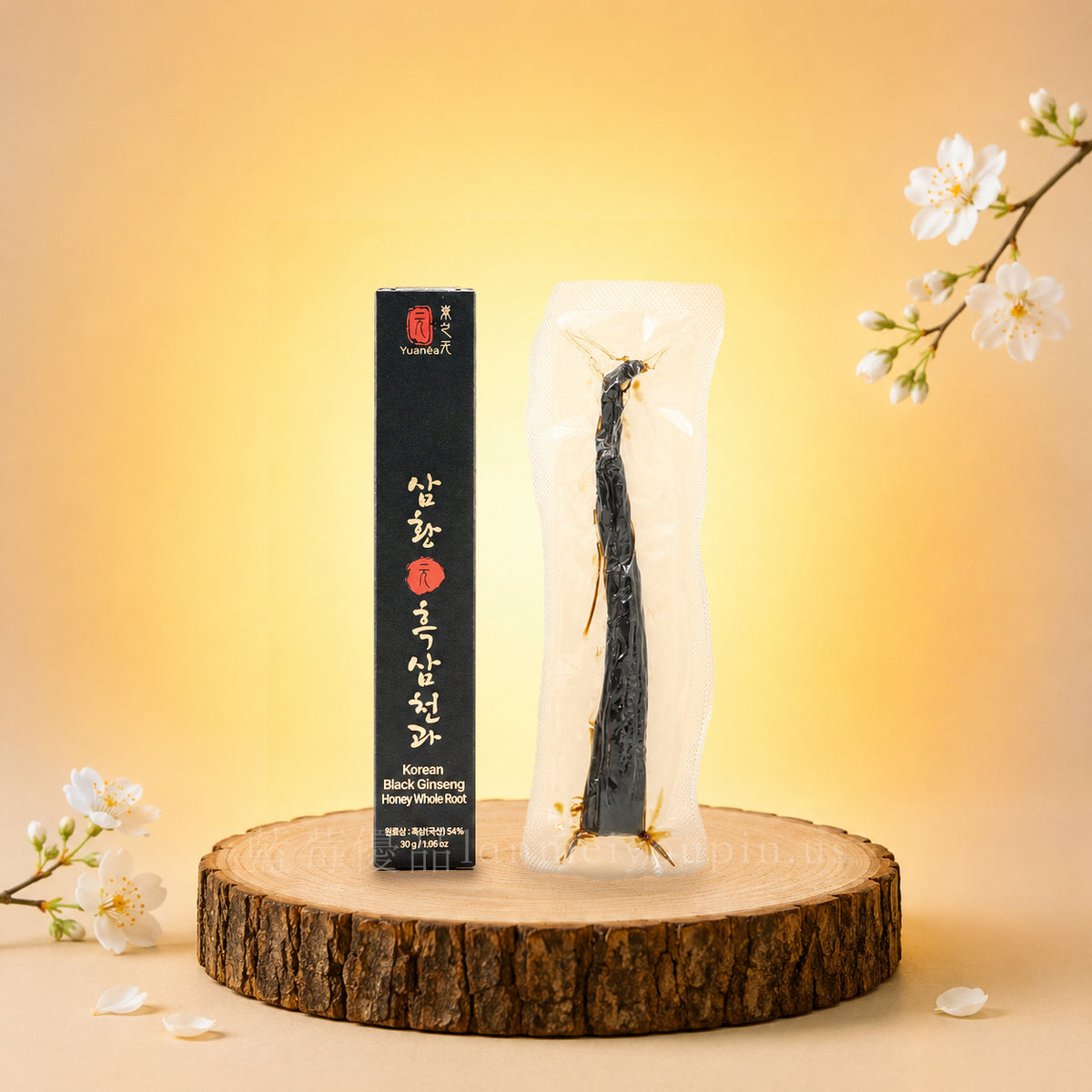
Whole Honeyed Black Ginseng: 8 roots × 30g / per root
Product Introduction:
Geumsan black ginseng production process is GAP (Good Agricultural Practices) safety certified, strictly controlling harmful substances. The Ginseng King series carefully selects 4–6 year old Korean ginseng, producing top-grade ginseng using the traditional "nine steamings and nine dryings" special process. This yields rare small-molecule ginsenosides and a rich aroma, helping to support immune system health, combat daily fatigue, promote circulatory health, and support cognitive function and antioxidant protection.
The Ginseng King Whole Ginseng Gift Box set includes both sliced and whole forms. The black ginseng is low-temperature marinated with natural Korean honey, allowing the honey to infuse the black ginseng, making it tonifying without causing dryness, gentle, and smooth to the palate. It fully preserves the rich aroma and slightly bitter-sweet taste of black ginseng. Whether for personal use or as a gift, it showcases the premium Korean ginseng flavor and elegant packaging. Sliced ginseng can be eaten immediately for an instant energy boost. Whole black ginseng is suitable for stewing soups, brewing tea, or adding to dishes.
Main Benefits:
-
Helps alleviate daily fatigue and maintain abundant physical strength and vitality
-
Supports healthy sleep quality, helping to maintain clear thinking and focus
-
Supports immune health, helping to maintain metabolic balance
-
Provides antioxidant support, helping to maintain healthy blood circulation and cell vitality
-
Supports healthy aging and maintains normal physiological functions
Main Ingredients:
Black ginseng (4–6 years old, Korean origin) 54%, honey (Korean origin), isomalt-oligosaccharide
How to Consume:
2-3 slices daily, eaten directly or steeped in warm water. Can also be paired with tea, oats, yogurt, or desserts.
Note: International purchase bills for countries such as China may incur customs duties and other fees.
Ginseng King Black Ginseng FAQ
1. Why are there white, red, and black ginseng?
A: After harvesting, ginseng undergoes different processing methods, resulting in various forms such as white ginseng, red ginseng, and black ginseng. As the processing technology deepens, the flavor, ginsenoside components, and characteristics of ginseng also change.
-
Freshly dried ginseng (fresh ginseng): This is the most original state. It is not processed after being dug from the soil, has a high water content, is difficult to preserve, and is the starting point for all subsequent processing forms.
-
White ginseng (air-dried): Made by naturally air-drying fresh ginseng. The entire process is conducted at low temperatures, retaining a state closer to its original form. It is suitable for daily conditioning but has a shorter shelf life.
-
Red ginseng (steamed): Dried after high-temperature steaming. Original ginsenosides (such as Rb1, Rg1) begin to transform into rare ginsenosides (such as Rg2, Rg3, Rh2). Antioxidant activity also increases, the flavor becomes richer, and the preservation time is longer.
-
Black ginseng (repeated steaming and drying): Processed through repeated steaming and drying ("nine steamings and nine dryings"). The ginsenoside components in ginseng undergo transformation, forming different types of component combinations, such as the rarer Rg5 and Rk1 ginsenosides. Black ginseng is dark in color, has a harder texture, a more refined form, is easier for the body to absorb and utilize, has a more mellow flavor, and the best preservation.
In summary: From white ginseng to black ginseng, the deeper the processing, the richer the rare ginsenosides. It is a transformation process from a raw state to a refined one, and from mild to mellow and rich.
2. What is "nine steamings and nine dryings"?
A: "Nine steamings and nine dryings" is the most classic and time-consuming production process in traditional Korean ginseng processing, mainly used to produce the highest grade of black ginseng. This process has a history of thousands of years, originating from ancient Korean texts (such as "Dongui Bogam"), and aims to transform fresh ginseng into black ginseng with higher activity and easier absorption. The entire process requires repeating steaming nine times + drying nine times, taking approximately 30–60 days in total (depending on weather and ginseng age).
3. Why is black ginseng subjected to nine steamings and nine dryings?
A: Black ginseng is made by repeatedly steaming and drying white or red ginseng. This process is a reassembly of nutrients, aimed at making absorption more efficient. The ginsenosides in white or red ginseng are mostly large molecules, and their utilization is limited after entering the human body. Through the process of nine steamings and nine dryings, black ginseng undergoes key changes:
-
Upgrade from large to small: The original large-molecule ginsenosides are broken down and reassembled into smaller-molecule rare ginsenosides. These components are almost non-existent in ordinary raw ginseng and are the unique essence of black ginseng.
-
Efficient absorption: These small-molecule ginsenosides do not require lengthy digestion and can be more directly and fully utilized by the body after oral intake.
In short: Black ginseng is not only richer in nutrients but also solves the problem of "eating it but not absorbing it," making supplementation more effective.
4. What are the functions of these small-molecule rare ginsenosides?
A: These rare components each perform their duties, safeguarding your health from different dimensions. In short: Rg3 provides stable immune and physical support, while Rg2 and Rh2 show promising health benefits in supporting normal circulation and neurological function.
-
Rg3 (core of basic defense): Supported by abundant scientific data, it can effectively boost daily vitality and support immune health.
-
Rg2 and Rh2 (potential essence): In scientific research, they have shown the ability to support neurological health, maintain normal metabolic and circulatory functions, and help the body maintain long-term physiological balance.
-
Rg5 and Rk1 (advanced active support): As extremely rare components in black ginseng, their unique structure (stronger lipophilicity) provides excellent bioavailability, supporting deep cellular health and maintaining mental clarity, making them the preferred choice for high-efficiency nourishment.
5. Will nine steamings and nine dryings damage the active ingredients?
A: To extract a higher concentration of rare ginsenosides, black ginseng must undergo prolonged "nine steamings and nine dryings." During this high-temperature ripening process, the ingredients undergo the following changes:
-
Essence upgrade: The "Maillard Reaction" occurs, which is also why black ginseng has a dark color and rich aroma. This process transforms ordinary ginsenosides into active, smaller-molecule rare components.
-
Ingredient trade-off: Prolonged heating will reduce some water-soluble vitamins (such as Vitamin C, B vitamins) and volatile oils.
-
Nature transformation: Some amino acids and polysaccharides will transform into more stable forms, making the medicinal properties change from "drying" to more "mild and nourishing."
6. Why steam and dry nine times? Is it a gimmick?
A: Nine steamings and nine dryings are supported by scientific data.
-
Peak ginsenoside concentration: Studies show that when fresh ginseng is steamed 1 to 3 times, its components are similar to red ginseng; as the number of times increases (more than 5 times), the concentration of key components begins to rise rapidly.
-
Limit curve: By the 9th time, the color of black ginseng darkens (Maillard reaction), and the conversion rate of small-molecule ginsenosides reaches its most stable peak. If it exceeds 9 times, some active ingredients may be overly carbonized and decrease.
-
Market symbolism: Although the difference between the 7th or 8th time and the 9th time may be subtle, "nine" represents the ultimate in Eastern culture. Scientifically, 9 times is a safe boundary to ensure thorough and undamaged conversion.
7. What is the difference between Korean black ginseng saponins and Jeju Island red sea cucumber saponins?
A: They have different origins, and their component structures and main research directions also differ.
-
Black ginseng saponins come from ginseng and mainly support normal body oxidation, immune system health, maintenance of normal cognitive function and focus, and conditioning.
-
Jeju Island red sea cucumber saponins belong to triterpene glycosides, which are active compounds unique to marine organisms. They help support metabolic health and maintain normal lipid and blood sugar levels.
Relatively speaking, black ginseng helps maintain daily physical strength and stress resilience; red sea cucumber helps comprehensively maintain normal physique and metabolism, and overall nourishment.
If you are pregnant, breastfeeding, or taking medication, please consult a healthcare professional first.
Description:
These statements have not been evaluated by the Food and Drug Administration. This product is not intended to diagnose, treat, cure, or prevent any disease.